Beneath this blog post is the following disclaimer:
“The views expressed in this post are the views of the author and do not represent the views of the university or its policies.”
This raises an important question: what is the university? The answer is often assumed to be obvious, left to common sense. However, the philosopher Gilles Deleuze showed that common sense can be limiting because it makes us see the world in fixed, familiar ways, ignoring the surprising connections and unique possibilities all around us. While it keeps us comfortable, it can prevent us from noticing new ideas or experiences.
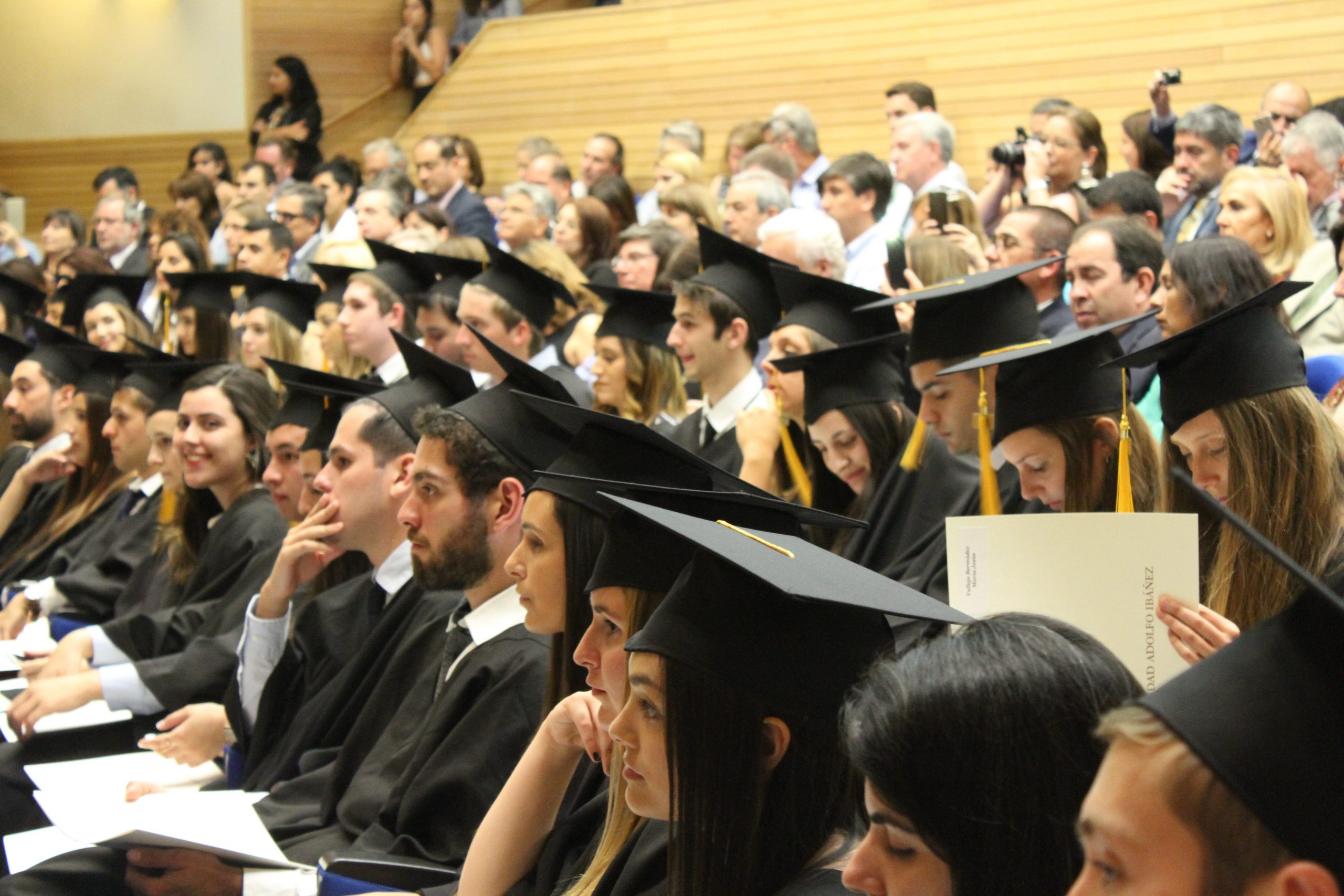
So, back to the question: what is a university? It is certainly not the buildings – after all, walls cannot hold or express views. Nor is it a singular, abstract entity. A university exists as a collective, a community of people with feelings, perspectives and ideas, including both staff and students. Without these people, there is only concrete space.
Alfred North Whitehead warned against misplaced concreteness – treating abstractions like “the university” as if they were concrete things. This helps explain why a university is its people, not its buildings. Teaching, learning, research, and intellectual growth happen in the minds and actions of students and staff – not in lecture halls, administrative forms, or expensive buildings. To think otherwise is a category error: buildings cannot think or learn. A university only truly exists through the people who animate it.
Even when universities must save money, they can resist the narrow logic of capitalist realism by prioritizing educational and social value over profit. Investing in interdisciplinary learning is crucial, because it encourages students to connect ideas across fields, develop holistic understanding, and avoid the trap of treating abstractions as concrete realities – a problem Whitehead highlighted. Education, as a discipline, is already an interdisciplinary subject as it takes account of multiple perspectives: those such as philosophy, psychology, sociology, history, anthropology, linguistics etc. At the Sheffield institute of Education, we also draw into that mix work on disability, neurodiversity, queer studies and social justice to ensure that we take an intersectional approach to education that doesn’t leave people’s actual experiences out of the equation.
By focusing on human and intellectual growth rather than marketability, through interdisciplinary fields such as Education, universities can remain financially responsible while fulfilling their role as spaces for critical thinking, creativity and meaningful learning.
Dr. Chris Bailey, Senior Lecturer in Education, Sheffield Hallam University
“The views expressed in this post are the views of the author and do not represent the views of the university or its policies.”

Leave a Reply