As the realities of the climate and nature crisis become increasingly visible, it’s clear the next generation will grow up in a world shaped by environmental change. Preparing them for that future isn’t just about climate science or policy; it’s about education. If we want children to understand, adapt to, and act on climate change, those conversations need to start early at primary school.
At the heart of this is the idea of Climate Change and Sustainability Education (CCSE) giving children the knowledge and understanding to make sense of human interactions with climate systems and the impact on people locally, nationally and globally. Early exposure to these ideas helps build empathy and a sense of responsibility to underpin ethical attitudes and moral responsibilities later in life. Despite its urgency, CCSE still has a limited and inconsistent presence in English primary schools.
A curriculum without climate change
Perhaps surprisingly, the primary curriculum does not explicitly include CCSE. The subject appears indirectly through specified topics but there is no specified requirement for children to explore it in depth. Sustainability along with environmental education, which featured in earlier curriculum versions, disappeared in 2013 and has not yet been reinstated. Teachers can, and often do, find creative ways to introduce CCSE topics, but with the current emphasis on English and mathematics, there is little flexibility to go beyond the core curriculum. As a result, CCSE depends heavily on individual teachers’ initiative and enthusiasm. Although the UK government’s Sustainability and Climate Change Strategy for Education promised stronger holistic curriculum integration guidance remains limited. There is no nationally recognised CCSE framework outlining what, how or when primary-aged children should learn about CCSE. This lack of clarity has led to what many describe as a ‘patchwork’ of provision.
Teachers’ perspectives: enthusiasm meets uncertainty
Our recent research explored how teachers navigate these gaps. We found a strong sense of commitment—many see teaching about climate change as both a moral responsibility and a professional priority. However, they also described feeling underprepared and under-supported. The reasons are familiar. Climate change is complex and simplifying it for younger children without distorting the science is challenging. Many teachers told us they lacked confidence in their subject knowledge or in managing the emotional dimensions of the topic. Few had received formal training for CCSE during ITE. As one teacher explained: ‘They might have seen something on the news and ask questions about it. It might just be little opportunities here and there…using those moments to explore the issue, but not in a planned way.’ For many, lessons about CCSE arise spontaneously, prompted by children’s curiosity rather than as part of a coherently sequenced curriculum. While this responsive approach can be powerful, it also highlights the absence of guidance or resources or the need for these to support classroom practice.
Learning through connection
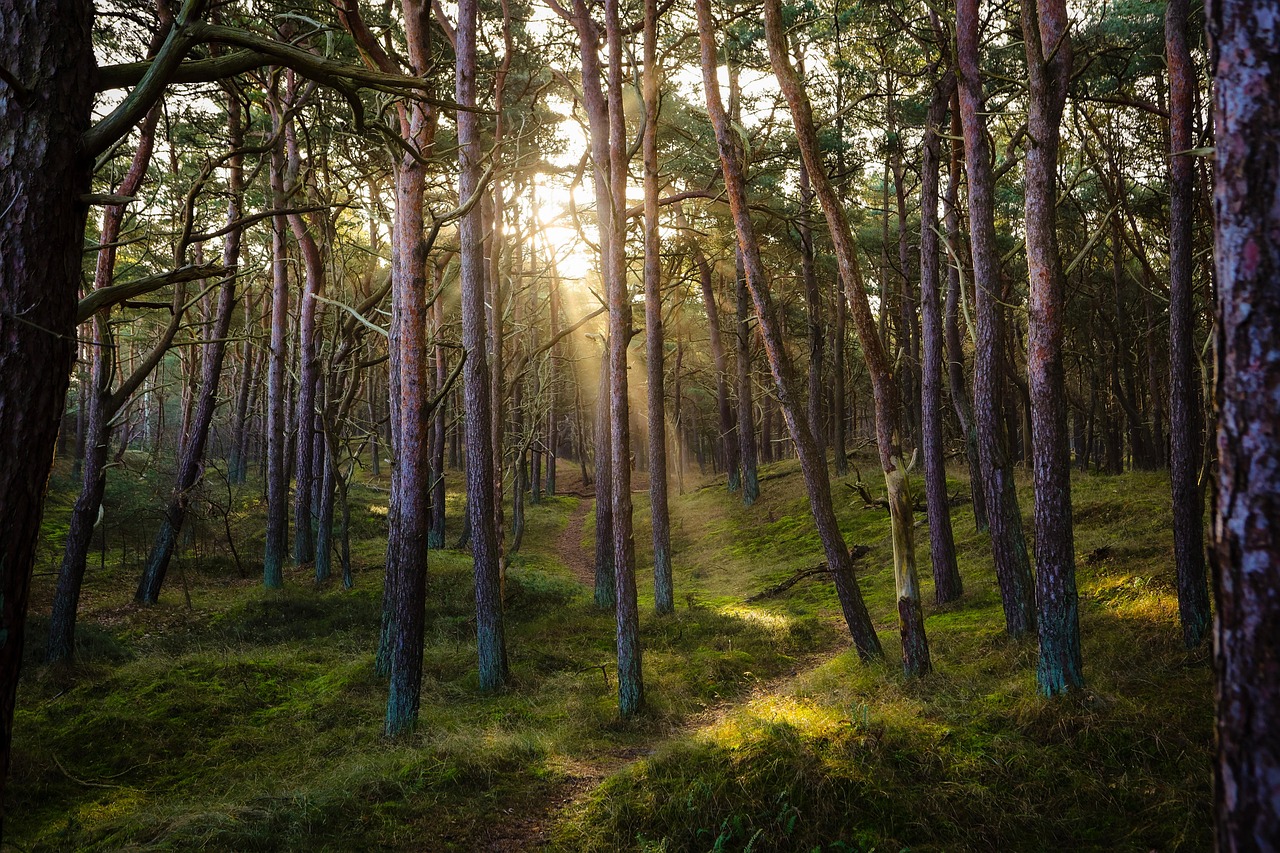
Despite these challenges, teachers find creative ways to make CCSE meaningful. Outdoor and experiential learning help children make tangible connections to the natural world. As another teacher put it: ‘We foster a love for the outdoors. Get them outside, get them loving the environment…showing different environments from around the world like the Amazon rainforest.’ This focus on affective connection rather than fear is vital. Research suggests that when children build emotional bonds with nature, they are more likely to care for and protect it.
Many teachers told us they deliberately frame discussions around hope and action rather than crisis and despair: ‘We try to put a positive spin on what we and they can do, rather than being alarming about the situation.’ This reflects a growing awareness of eco-anxiety which is the worry young people feel when thinking about environmental problems. Teachers are increasingly managing this emotional labour alongside the intellectual work, helping children to process difficult information in age-appropriate and empowering ways.
Barriers in the system
Through our research, three key barriers emerged:
- Curriculum constraints. The dominance of core curriculum subjects leaves little space for broader, interdisciplinary themes like CCSE.
- Complexity and confidence. Without specialist professional development or access to high quality curriculum resources, teachers must translate global scientific concepts into age-appropriate learning experiences.
- Unequal access to opportunities. Schools with outdoor spaces, supportive leadership, or external partnerships can do more, while others struggle to find time, funding, or expertise.
These structural barriers mean that, despite teachers’ enthusiasm, CCSE remains uneven and vulnerable to competing pressures.
There are signs of change. The DfE is currently undertaking a curriculum and assessment review, with final recommendations expected in Autumn 2025. This process provides an opportunity to embed CCSE more meaningfully across subjects in a coordinated and progressive way. It also means investing in teacher professional development. Teachers need both the confidence to handle complex topics and the emotional tools to guide pupils through them. Collaborative networks linking schools, universities and environmental organisations, can help develop expertise.
A collective responsibility
Teachers are already doing remarkable work within the constraints faced. Many are weaving climate literacy into their teaching. But individual effort can only go so far without systemic support. If education is meant to prepare young people for the world they will inherit, then CCSE cannot remain optional. It must become an integral part of what it means to be educated in the twenty-first century.
Our findings suggest that meaningful climate education depends not only on curriculum reform, but on recognising the professional and emotional labour of teachers who are already leading this work. They need time, support and trust to do it well. In the end, failing to teach about climate change and sustainability isn’t just a missed learning opportunity; it’s a missed opportunity for action and empowerment. Today’s children will live through unprecedented environmental change. By equipping them with understanding, compassion, and a sense of agency, we’re not only teaching them about the planet but we’re helping them shape its future.
Dr Stuart Bevins is a Principal Research Fellow & Vicki Poutney is a Senior Lecturer in the Sheffield Institute of Education

Leave a Reply to Sarah Williams Cancel reply