-

Educating Kemi: resisting negative narratives around neurodiversity
The Tory leadership contender, Kemi Badenoch, has recently made some ‘stigmatising’ and confused remarks concerning autistic people. This is just the latest chapter in what has become an ongoing spectacle of socio-cultural posturing within what the media often calls the “culture wars.” Not content with vilifying asylum seekers and trans people, Badenoch is now targeting…
-

The Sheffield Institute of Education: over a century of training teachers to transform lives
Sheffield Hallam University has trained teachers for well over 100 years. We began back in 1905 as the Sheffield City Training College at our Collegiate Campus site under the guidance of Reverend Valentine Ward Pearson, the founding Principal. Our intake was approximately 150 students. We were already at the forefront of teacher training college development…
-

LGBT+ community, solidarities and isolation
This is the final of three blog posts about the Whose Rainbow? Project, which explored what the rainbow means to LGBT+ staff and students in higher education. If you’re interested and want to find out more about the project – and about Equality, Diversity and Inclusion in universities more broadly – we will be launching…
-

Free labour and institutional non-performativity in LGBT+ people’s experiences of higher education
In the Whose Rainbow? project we have been asking LGBT+ staff, students, and self-declared ‘allies’, about their experiences of higher education. One major finding from our interviews was the vast amount of additional, often uncompensated, labour required of LGBT+ staff and students. This ranged from personal efforts to be correctly recognized in their identity to…
-

On allyship and rainbow lanyards
In recent months, rainbow lanyards have become a focal point in a broader cultural debate. These symbols, primarily associated with support for the LGBT+ community, have been thrust into the spotlight, their meaning and appropriateness questioned by political figures and institutions, including bans in both the Scottish Parliament and UK Civil Service. Since 2021, I…
-

Kindness: Why it matters in higher education
To be kind is a basic maxim for how we conduct our personal lives. It may seem unusual to use the lens of kindness on institutions, such as in higher education. My research with my colleague Olalekan Adekola has done exactly that. We have argued for a ‘kindness’ approach to improve the learning and social…
-

The general election: our requests for the next government
A general election has been called for July. An election is always a time for change, often bringing new ministers into new roles and, with them, shifting priorities and policies. As we look ahead to the next government coming into office, and await the publication of party manifestos, we’ve been considering what we’d like to…
-

“We know it is important, but we’ve got to get academic results”: Head Teachers’ perspectives on primary physical education
The value of primary physical education (PE) has been a ‘hot topic’ for decades, awash with Government interest, policy and funding. Primary PE has received investment in excess of £2.5 billion since London hosted the Olympics and Paralympics in 2012, making it the most additionally funded subject in the curriculum, yet PE still remains undervalued…
-

Sharing the knowledge: training doctoral students to write beyond academia
In 2020, in the midst of the COVID-19 pandemic, the president of the United States horrified the medical establishment by proposing injections with disinfectant as a treatment for COVID. It’s hard to think of a better example as to why now, perhaps more than ever, society needs to hear from experts – and those experts…
-
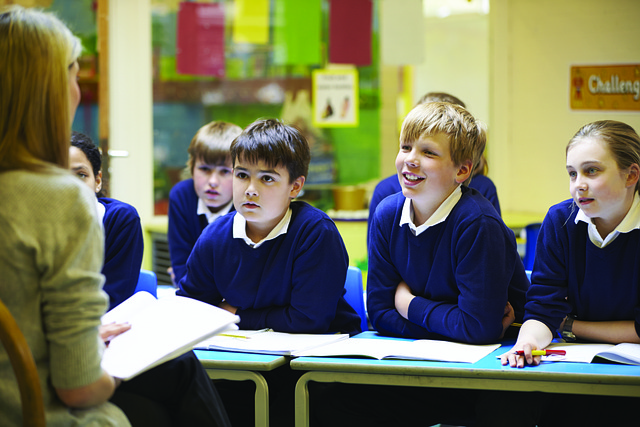
Mitigating the impacts of the teacher recruitment and retention crisis through sustained subject specific professional development
The House of Commons Education Committee report on teacher recruitment,training and retention highlights the ongoing crisis in teacher recruitment and retention, with shortfalls in many subject areas and many teachers working outside their specialism, with detrimental effects on teacher workload, teaching quality and pupil progression. One way to mitigate the challenges of teachers working outside…
Got any book recommendations?