Category: Inclusion
-

The Oracy Debate
Lucy Powell’s recent announcement that oracy will be given equal status to reading and writing within the new English curriculum has sparked intense debate. Whilst there is compelling evidence to suggest classroom talk enhances learning, there are concerns within the education community that oracy is a nebulous term and that without a shared understanding of…
-

Why schools need to address anti-LGBT bullying
This week marks Anti-Bullying Week, and our SIoE research shows that lesbian, gay, bisexual and trans (LGBT) young people are still at risk of being bullied in our schools. Our study is the largest of its kind ever conducted in England, with over 61,000 pupils and staff from 853 schools taking part. It focused specifically…
-
The 2022 SEND review: asked but not heard
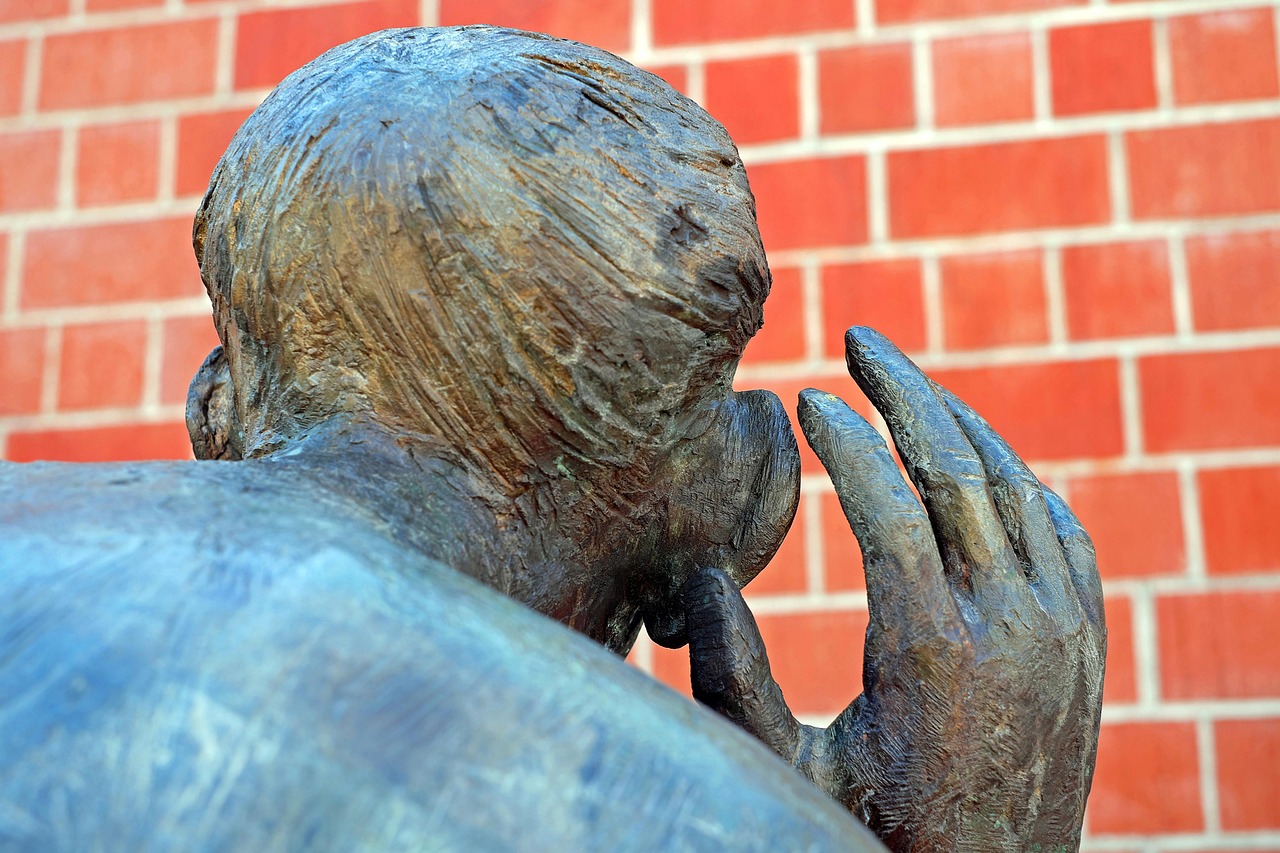
Asking without listening When the government launched the SEND review in 2022, it promised to “restore families’ trust and confidence in an inclusive education system.” Yet for many families of disabled young people, it felt like déjà vu, another consultation that asked for their views but did not seem prepared to hear them. Our Right…
-

Why the new transgender children school’s guidance is life threatening and what you can do about it
Just days before Christmas, the government published new draft guidance advising schools how to deal with transgender children and young people. Responses from the LGBT sector have highlighted that this guidance – including instructions for schools to ‘out’ pupils to their parents, ignore pronoun choice, and restrict access to toilets and sports – endangers the lives…
-

Speaking volumes and silent echoes: uncovering government priorities for disabled young people in the SEND review
“Language exerts hidden power like the moon on the tides.” Rita Mae Brown (2011) In a recent paper from the Right to Review project, we analysed the SEND Review (Special Educational Needs and Disabilities), a Green Paper that set out the government’s proposed reforms for the SEND system. Our aim was to interrogate “the hidden…
-
Widening Participation in 2023: shifting policy drivers, shifting institutional responses
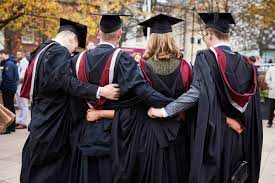
Widening participation is essentially about two things: 1) making it easier for underrepresented groups to access higher education than it would be otherwise – a project closely tied to notions of social justice and attempts to eradicate access inequality; 2) it is about ensuring that there is a sufficiently highly educated labour force for the…
-

To decolonise or to diversify? Untangling the terminology of emancipatory curriculum design
“You cannot take authority over things that are not named.” Thus spoke Professor Udy Archibong, Pro-VC for Equality, Diversity and Inclusion at the University of Bradford, at a conference on the ethnicity degree awarding gap that I attended earlier this year. She was responding to the idea that some universities might prefer to talk about…
-
Covid has put wellbeing in schools front and centre
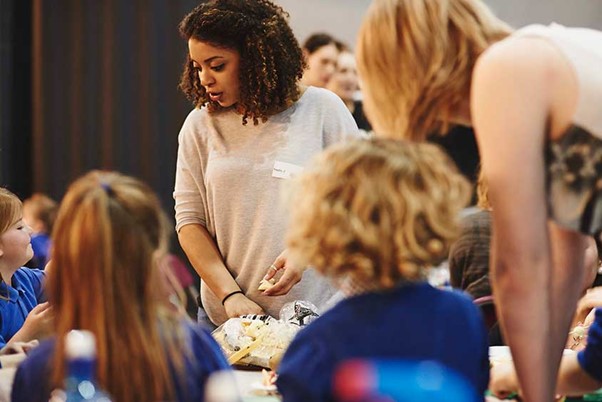
Covid has put wellbeing in schools front and centre The school shutdowns during the Covid pandemic may feel like a distant memory. But the effects of this period are still being felt in schools today — and pupil wellbeing is one of the biggest casualties, as explored recently by Dr Caron Carter on this SIOE…
-

The additional labour of a disabled PhD student
For people with little or no experience of disability it may be easy to believe that disabled people get all the support they may need at University. There are systems in place which means their needs will be met and if they do face problems it’s down to the individual to be more flexible or…
-
Enhancing Access, Improvements for All: Working Towards ‘Inclusive’, ‘Accessible’ Research
Len Barton reminds us that the concept of ‘inclusive education’ is a slippery one: not so much an ‘end’, but a process of “responding to diversity” “listening to unfamiliar voices, “being open, empowering all members and about celebrating ‘difference’ in dignified ways”[1]. So too is ‘access’ complex and often contradictory. Sometimes what makes an event…